
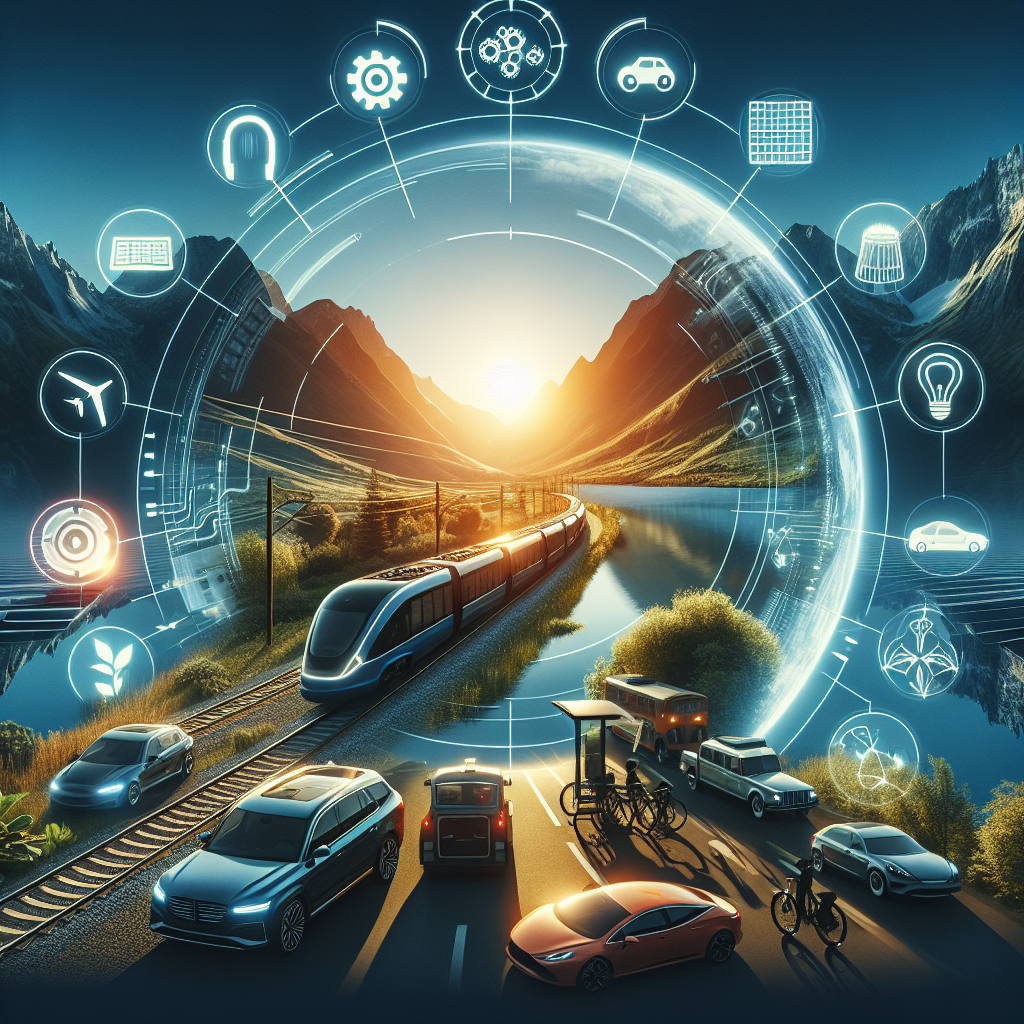

As 2026 approaches, travelers face a pivotal choice: speed versus sustainability and savings. This article explores whether road trips, train journeys, and slower overland routes offer a better alternative to flying, considering both cost and environmental impact.
The Great Overland Shift: Are Slow Journeys the Smart Choice for 2026?
As we look ahead to 2026, the way we travel is undergoing a quiet revolution. Sky-high airfares, concerns about carbon footprints, and a growing desire for more immersive experiences are pushing many to reconsider the default option of flying. But are road trips, train journeys, and other slower overland routes truly better alternatives, both for your wallet and the planet?
Road Trips in 2026: Freedom on Four Wheels
The classic road trip remains an iconic symbol of freedom and adventure. For 2026, its appeal is only growing.
Cost Considerations
- Flexibility & Control: With your own vehicle or a rental, you have unparalleled control over your budget. You can choose cheaper accommodations further off the beaten path, pack your own meals, and avoid expensive airport transfers.
- Fuel Prices: While fuel prices can fluctuate, carpooling or opting for more fuel-efficient vehicles can significantly reduce costs. The rise of electric vehicles (EVs) by 2026 could also mean cheaper “fueling” at charging stations, especially if you plan routes around public or free charging points.
- Group Travel: For families or groups, a single vehicle often works out cheaper than individual flight tickets, especially for distances under 800-1000 miles.
Sustainability Scorecard
- Emissions: While a single internal combustion engine (ICE) car can have a higher per-mile emission than a packed train, the per-person impact decreases dramatically with more passengers. By 2026, the increasing availability of hybrid and fully electric vehicles makes road tripping a far greener option, especially when powered by renewable energy.
- Infrastructure: Roads and charging networks are continually improving, making EV road trips more viable and less range-anxiety inducing.
The Experience
Road trips offer unparalleled spontaneity, allowing you to discover hidden gems and adapt your itinerary on the fly. It’s about the journey as much as the destination.
Train Journeys in 2026: Scenic, Sustainable, and Stress-Free
Train travel is experiencing a renaissance, positioning itself as a prime alternative for 2026.
Cost Considerations
- Advance Booking: Train tickets, especially for longer international routes, can be significantly cheaper when booked well in advance. Rail passes can also offer excellent value for extensive travel.
- Hidden Savings: Trains typically drop you in city centers, eliminating the need and cost of airport transfers. You save on baggage fees, and often, the comfort allows for bringing your own food and drinks.
- Overnight Options: Sleeper trains combine travel and accommodation costs, offering an efficient way to cover long distances while saving on a hotel night.
Sustainability Scorecard
- Low Emissions: Per passenger-mile, modern electric trains are one of the most sustainable forms of transport. Running on electricity, often increasingly from renewable sources, their carbon footprint is significantly lower than flying.
- Efficiency: Trains are incredibly efficient at moving large numbers of people with minimal land use and emissions compared to equivalent air travel or individual cars.
The Experience
Forget security lines and cramped cabins. Train travel offers spacious seating, stunning panoramic views, the ability to walk around, and often, a vibrant social atmosphere. It’s a journey of relaxation and observation.
Slower Overland Routes (Buses, Ferries, Multi-modal) in 2026: Deep Immersion on a Budget
For the truly budget-conscious and those seeking deep cultural immersion, slower overland routes are an unbeatable choice.
Cost Considerations
- Absolute Cheapest: Buses are often the most economical way to travel, especially for inter-city and cross-country journeys. Ferries, too, can offer a cost-effective way to cross water bodies, often with options for overnight cabins.
- Accommodation Integration: Overnight bus or ferry services can double as accommodation, saving on hotel costs.
Sustainability Scorecard
- High Capacity, Low Impact: Buses are highly efficient per passenger-mile, especially when full. Ferries, while having larger engines, can also be efficient for moving significant numbers of people and vehicles.
- Community Impact: Supporting local bus lines and regional ferry services often has a more direct economic benefit to the communities you pass through.
The Experience
These routes are about true slow travel. You’ll witness the changing landscape, interact more with locals, and gain a profound sense of the distance covered. It’s an adventure in itself, often leading to unexpected discoveries.
Flying in 2026: The Need for Speed
Flying will undoubtedly remain the quickest way to cover vast distances in 2026.
Cost Considerations
- Ticket Volatility: Airfares are notoriously unpredictable. While budget airlines exist, hidden costs like baggage fees, seat selection, and airport transfers can quickly add up, often eclipsing initial savings.
- Time vs. Money: For journeys over 1,000 miles, flying is often the fastest, making it cost-effective if your time is highly valued.
Sustainability Scorecard
- Highest Emissions: Despite advances in fuel efficiency and the development of Sustainable Aviation Fuels (SAFs), air travel remains the most carbon-intensive mode of transport per passenger-mile. Efforts in 2026 will focus on reducing this, but it will still lag behind overland alternatives for most journeys.
- Non-CO2 Impacts: Contrails and other high-altitude effects also contribute significantly to warming.
The Experience
Speed and convenience are the primary benefits. For very long distances or limited time, flying is often the only practical option, but it usually comes at the expense of immersive travel.
The Verdict for 2026: A Shift Towards Overland?
For 2026, the answer to whether road trips, train journeys, and slower overland routes are “better” than flying isn’t a simple yes or no; it depends on your priorities and destination.
- For distances under 1,000-1,500 miles (1,600-2,400 km): Overland travel, particularly trains and electric road trips, present a compelling argument. They are often competitive on cost (or cheaper when all factors are considered), significantly more sustainable, and offer a richer, less stressful travel experience.
- For short-haul international travel: The burgeoning European rail network and similar initiatives elsewhere make train travel an increasingly attractive alternative to short flights.
- For budget-conscious and environmentally aware travelers: The combined benefits of lower cost (often) and vastly reduced environmental impact make overland options the clear winner for 2026.
- For long-haul intercontinental travel: Flying will likely remain the most practical choice, though multi-modal journeys combining long-distance trains or ferries with shorter flights for specific segments could gain traction.
As we head into 2026, the allure of the open road, the rhythmic clickety-clack of the rails, and the gentle sway of a ferry isn’t just romantic; it’s increasingly becoming the smart choice for travelers seeking to balance adventure with responsibility. The “slow travel” movement is no longer a niche concept but a mainstream consideration for a more sustainable and fulfilling journey.
Watch more on Traveloof YouTube.


Leave a reply